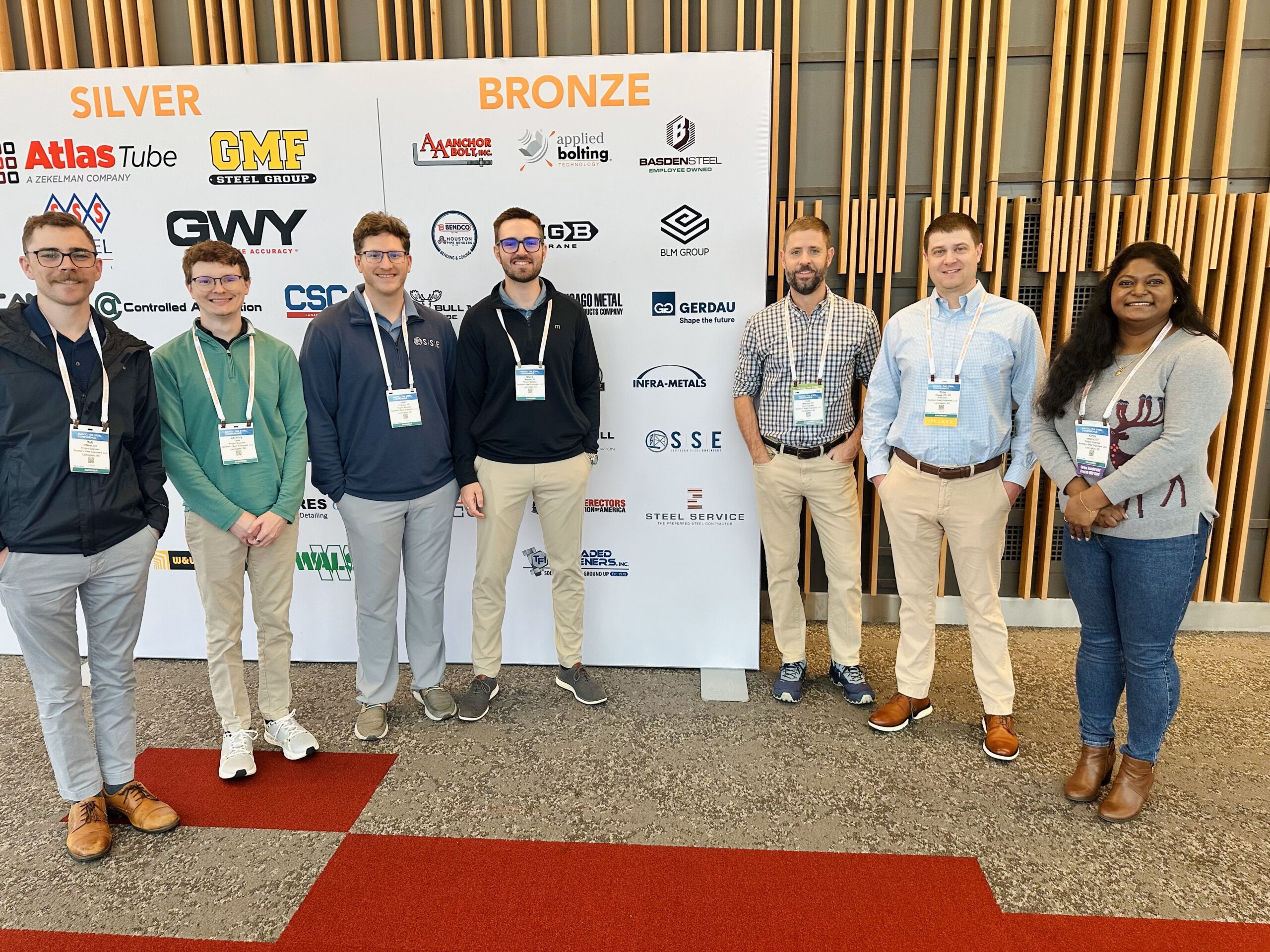
If you are an early-career structural engineer, learning steel design can feel like drinking from a fire hose. Between codes, connection types, and fabrication realities, there is a lot to absorb. The good news is you can accelerate your skills by combining technical resources, hands-on exposure, and mentorship from experienced professionals.
This guide will show you how to build a strong foundation in steel design with tips you can start applying immediately to your projects.
Mentorship is one of the fastest ways to grow as a structural engineer. A seasoned professional can help you:
- Navigate complex code requirements
- Spot common pitfalls in connection design
- Think like a fabricator and an erector, not just a designer
Seek mentors inside your company, at industry events, and through professional associations. The earlier you start building these relationships, the faster your skill set will grow.
As a young structural engineer, some of your most valuable lessons will come from leaving your desk:
- Fabrication Shop Visits – Watching welders, fitters, and fabricators in action will help you understand tolerances, sequencing, and real-world limitations
- Construction Site Visits – Observing erectors at work shows you how they handle fit-up challenges, crane logistics, and safety constraints
This firsthand exposure will make your designs more constructible and will reduce RFIs, delays, and costly rework.
The American Institute of Steel Construction (AISC) should be one of your first stops as a young structural engineer. Their offerings go far beyond textbooks:
- Free and low-cost webinars covering both fundamentals and advanced topics
- The NASCC: The Steel Conference, which is a must-attend event for networking with fabricators, erectors, and suppliers while seeing the latest fabrication equipment and trends
- AISC Engineering Journal, featuring deep dives into connection design, structural behavior, and constructability
- AISC Design Guides, offering practical, code-compliant resources that bridge classroom theory with field application
Steel design is more than beams and columns. It is the details that make structures stand. Expand your expertise with these targeted organizations:
- Steel Tube Institute – A comprehensive resource on HSS connections, specifications, and fabrication tips
- American Welding Society (AWS) – Welding codes and standards that every structural engineer should understand
- Research Council on Structural Connections (RCSC) – Guidance on bolted connection design, installation methods, and inspection requirements
Your local structural engineering association, such as the Structural Engineers Association of South Carolina (SEA-SC), is a goldmine for professional growth. Membership offers:
- Access to technical presentations
- Site tours that show how steel structures come together
- Opportunities to connect with peers, fabricators, and industry veterans
Networking early in your career helps you find mentors, collaborators, and even future job opportunities.
Few resources blend theory and practice as effectively as Omer Blodgett’s Design of Welded Structures. It has been a trusted reference for generations of engineers and is especially useful for early-career engineers seeking to understand the “why” behind welded design decisions.
If you are an early-career structural engineer with a passion for steel design, we want to hear from you.
See how we support professional growth, hands-on learning, and a collaborative culture that values both technical excellence and real-world constructability. Explore our Careers and Culture pages to learn more about joining our team.