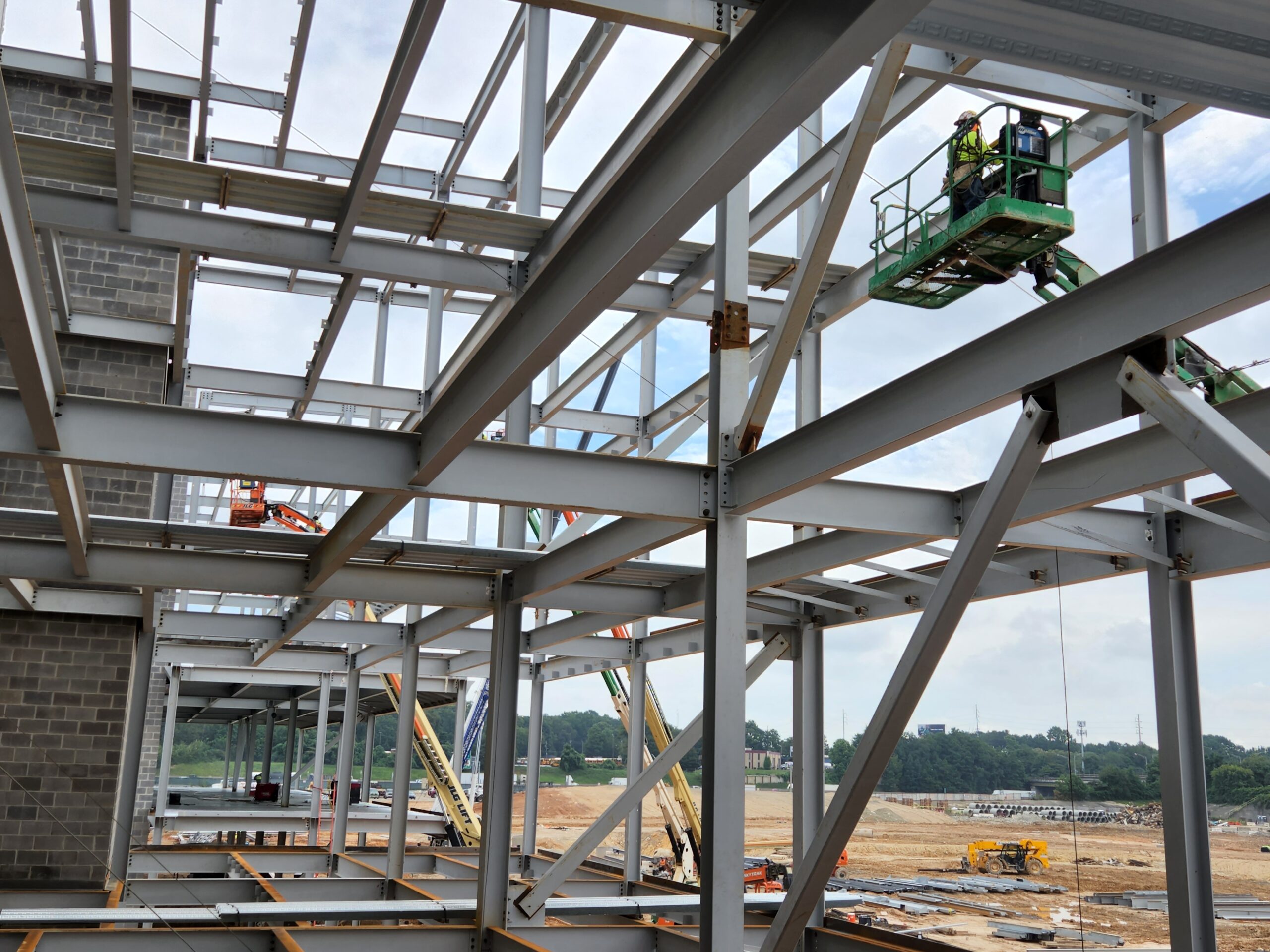
Delegated design can be a powerful way to deliver efficient, coordinated structural solutions, but only when the right information is provided at the right time.
At Southern Steel Engineers, we’ve seen what works and what causes delays. If you're working on a project that involves delegated steel connection design, here are three essential tips to make the process smoother for everyone involved.
This is where it all starts.
If there are any specific parameters that must be met to support the structure, such as deflection limits, compatibility with other systems, or geometric constraints, those need to be clearly defined up front. The scope should also be laid out in plain terms so all parties understand who is responsible for what.
Without a clear intent, delegated engineers may make assumptions that don’t align with the rest of the structure, which can lead to miscommunication or rework.
All load information and code requirements must be clearly presented. This includes:
If these details are not explicitly conveyed, mistakes and mismatches are almost inevitable. One unclear assumption about load format can result in weeks of delay or even major revisions late in the game.
Timing matters, and early coordination makes a major difference.
Waiting until RFIs are submitted and answered can stall a project for weeks. But if axial loads or vertical bracing forces are included on the structural plans from the beginning, it eliminates confusion and speeds up the entire process.
From our experience, the workload for the engineer of record is often the same whether load information is released early or late. But when it’s shared early, it helps the entire team move faster and with fewer questions.
Delegated steel connection design can be efficient, accurate, and fast when the groundwork is done right. At SSE, we’ve helped hundreds of teams deliver clean, coordinated results by starting with clarity and staying aligned from start to finish.